francois j duminy
Plastic & Reconstructive Surgeon
CAPE TOWN PLASTIC SURGEON CV

Francois J Duminy
PLASTIC & RECONSTRUCTIVE SURGEON
Face Lift Conventional
There ar many different facelift techniques that are currently employed worldwide. Some techniques, in our opinion, make such marked changes in structural relationships that the patient is sometimes not recognisable to him/herself, let alone other people!
Conventional facelifts have been employed for many years and consist mainly of making an incision along the hairline, down in the crease in front of the ear, up the back of the ear and along the hairline behind the ear. Through this incision, widely loosening the skin from the underlying facial structures, re-draping and tightening the skin and then removing the excess and stitching the edges back into place. 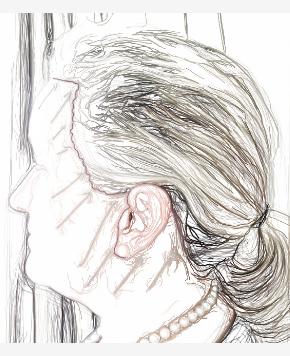
The method is useful when there is a major excess of skin, but the reason for such excess developing is often because the sun damage has resulted in loss of skin elasticity. It follows that, if we apply tension to skin that is already inelastic, we are just likely to stretch it out more.
It is therefore, in our opinion, necessary to combine this procedure with other treatments that have the potential to improve skin quality.
This may even need to be done in planned stages if one wishes to get the best possible results.
In general, we prefer to use less invasive methods with shorter incisions and much less undermining of the skin, but every method has its place and may be required in certain cases
Benefits Experienced by most of our patients
1. Correction of sagging around the jowls
2. Some tightening of the neck
3. lifting of the nasolabial folds and lower face
4. A rejuvenated appearance.
Negative Effects
1. Swelling and Bruising that usually lasts 10 to 40 days (in conventional facelift)
2. Scars around of the ears and hairline that are initially visible, but usually heal so well that they are almost invisible
3. The skin on parts of the face is initially numb, but regains feeling in approximately 3 months.
4. Loss of function in part of the Facial nerve is possible, but usually transient.


